




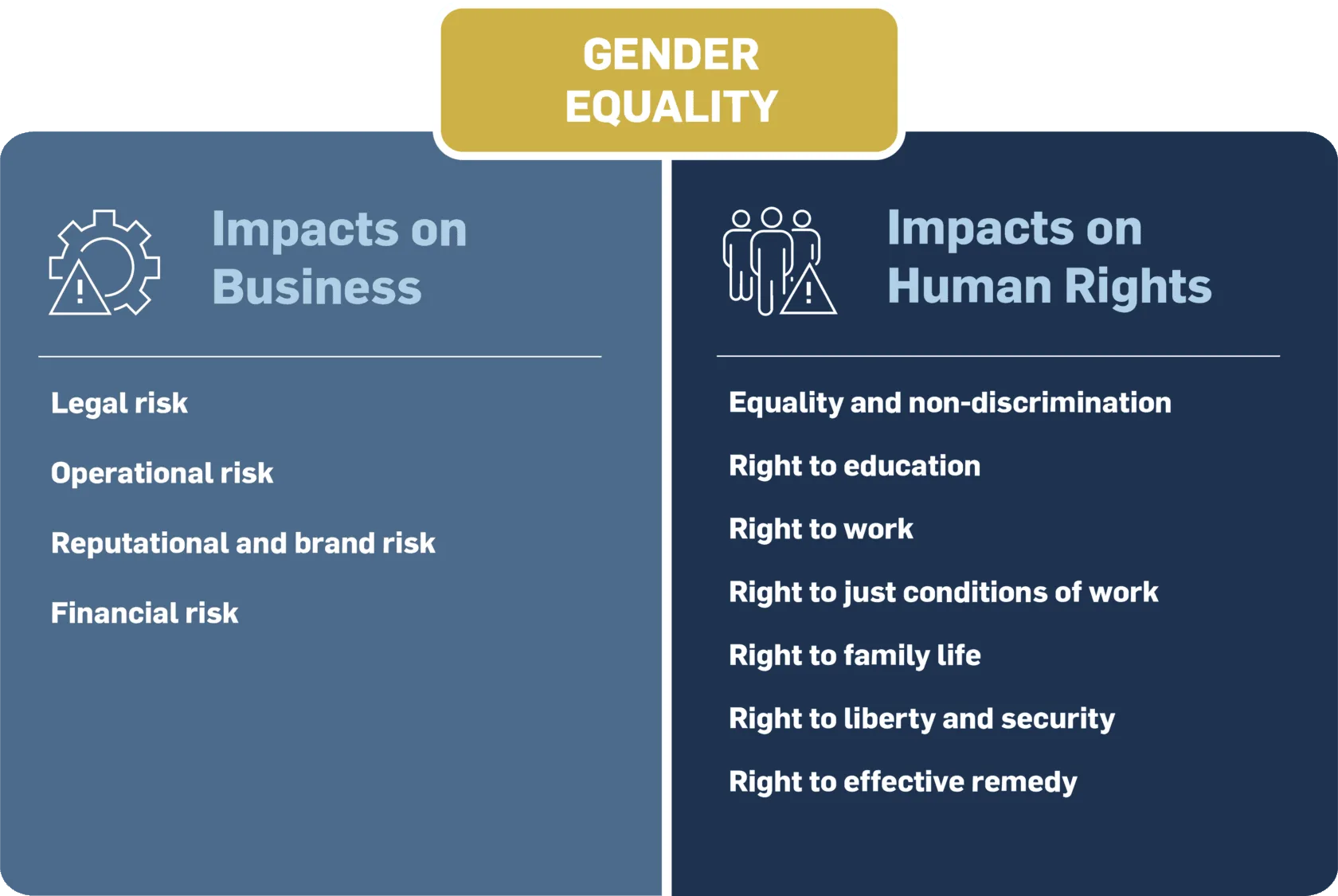
Gender inequalities in entrepreneurship are high. They manifest themselves especially when creating business projects. In fact, even if the French take more and more risks, only 32% of the companies created in 2021 will be women. This figure reflects their reluctance to start their own business, as well as the disparity in entrepreneurial spirit.
reason? Many economic and social barriers, or gender stereotypes and prejudices, are an integral part of society. So entering this world dominated by men can seem daunting. We will take a closer look at what explains this lack of equality .
1. Stereotypes are still very present
From childhood, women face multiple stereotypes. Whether consciously or unintentionally forced upon them growing up, they are encouraged to make socially determined career choices during their youth. It is in this idea that firefighters are more of a ” men’s job ” and nurses are more of a “women’s job.” Although these gender hierarchies are weakening, they are still very common. So when women have the opportunity to start a business, they self-censor.

In addition to education, another social issue also affects the position of women in entrepreneurship. In fact, most families in France are based on the mother. From parenting to housework, family responsibilities rarely apply to men who are more motivated to get home from work. This evolutionary behavior is a holdover from the 20th century, when women depended on their husbands and stayed home, while men supported their families financially. Therefore, working women must reconcile family life and professional life.
2. Entrepreneurship is predominantly male
The business community is predominantly made up of men. Therefore, there is a constant need for women to assert themselves. This lack of diversity is most evident in all professional fields. Men are more present in sectors such as transport, finance , construction and industry. In comparison, women are in the majority in areas such as personal services, health and education. In addition, women are underrepresented in the business environment. Therefore, they find it difficult to identify with strong businesswomen. The sexist attitude of some towards women, even in the workplace, can quickly discourage people from starting.
3. Inequality, including financial
Stereotypes, education, and lack of representation are not the only reasons women are reluctant to start . By 2021, women will “receive 4.3 times less funding than men” in entrepreneurship, according to French tech companies. This inequality of access to capital can be explained by the effect of stereotypes on investors. An experiment viewing two random voiceover demo videos showed that 68.3% of participants preferred to invest in projects presented by male voiceovers, even if they were the same. Investors are not the only ones affected by the bias. In fact, banks deny loans to women twice as often as men.
However, in the entrepreneurial world , women shine too! While men are in the majority, women are clearly doing better. In fact, 15% of businesses are founded and run by women and they account for 21% of all SME profits.
4. Lack of self-confidence
Unfortunately, women do not have the confidence to start a business. In fact, according to the Global Entrepreneurship Monitor (GEM), only 29% of women consider themselves capable of entrepreneurship . This compares to 42% of men. This lack of self-confidence may stem from the barriers described above. As a result, they lower the self-esteem of women who want to start a business, and even more so in general in the career field. However, if you want to embark on this entrepreneurial adventure, there are some tips you can follow that will help you not run out of money. Also, an article on our blog will give you “6 Tips for Managing Your Life as an Entrepreneur”.
So we talk about the impostor syndrome that affects many women and some men. In short, this syndrome consists of doubting one’s abilities, devaluing oneself, and feeling that one is not “worthy” of her position. According to the 2021 KPMG Equality Conference, impostor syndrome will affect 75% of women versus 50% of men.
conclusion:
The number of women entrepreneurs is increasing every year, but it is still too low! So, for reasons of equality and parity, the state and private organizations have implemented dedicated solutions . Financial aid, networks of entrepreneurs and support structures have been created.
A common goal: the development and sustainability of the female business career.